Portuguese ceramics, azulejos and pottery
Where Portugal’s tiles, plates and clay figures come from
Long reads on how azulejos and pottery are made and why they look the way they do, a map of the towns that still make them, and three tools to try the work yourself. Every essay lists its sources.

The featured read
 01 Tiles · OriginsFrom alicatado to azulejo: how Moorish tilework reached PortugalIn 1508 a record shows 10,146 tiles arriving at Sintra. Where they were made, and where the word “azulejo” comes from, are both still argued.
Also in the atlas
The atlas
- 01 TilesFive centuries of glazed squares: where the technique came from, how a tile is made, and how they ended up on every street.

- 02 Clay and fireWhat happens between a lump of earth and a glazed jug: the wheel, the kiln and the colour black.

- 03 PlacesTowns that are known for one kind of pot, and what the sources can and cannot tell us about them.

- 04 MakersThe factories and the people whose names are on the bottom of the plate.

Studio
Make something
Three tools that run in your browser. Nothing is uploaded; your designs live in the page address.
Reference
How we keep this accurate
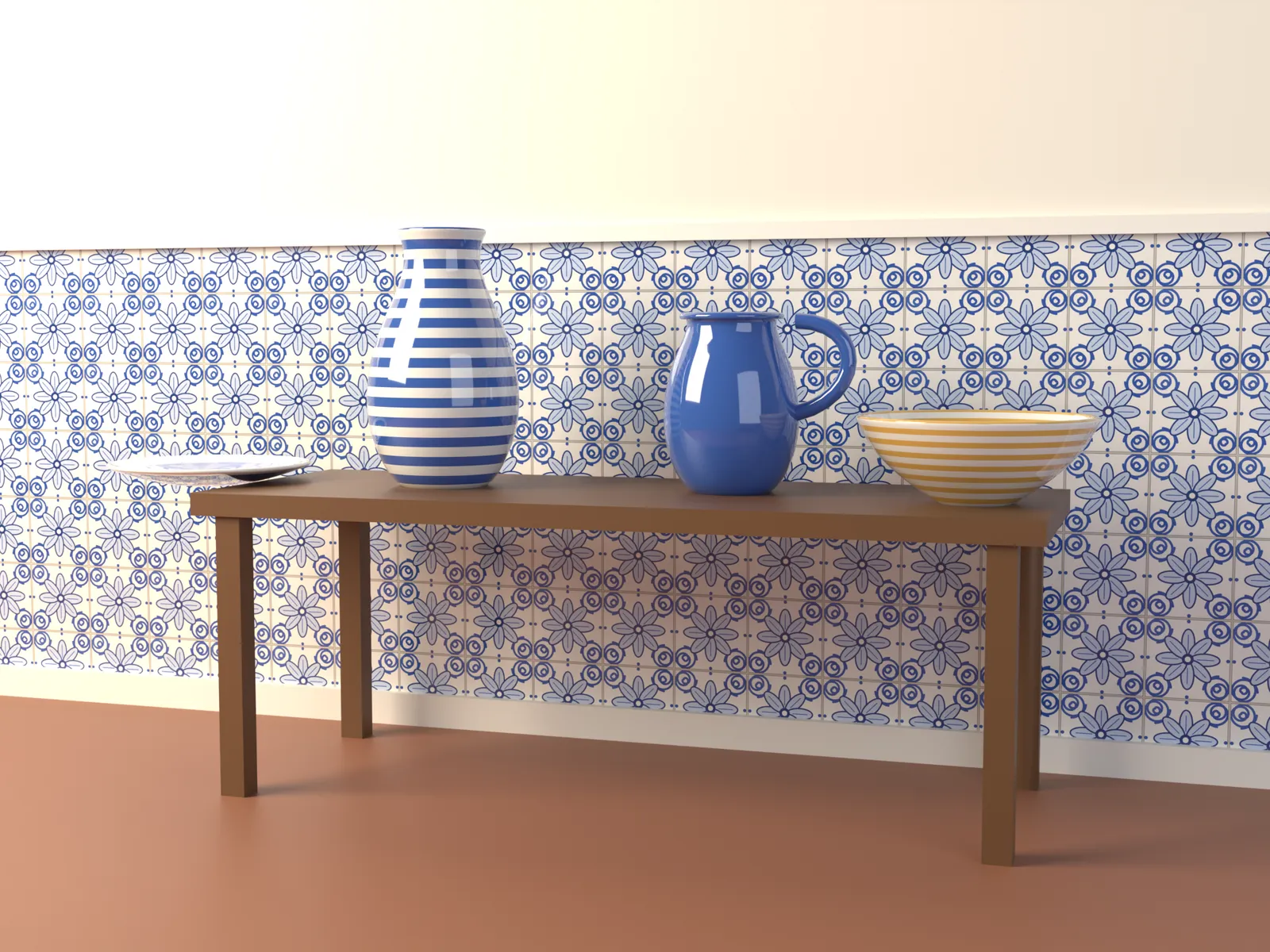
Every place and fact lists the source it came from and the date we last checked it. Where we could only find a search summary or a secondary source, the page says so. The 3D scenes and tile patterns are made by code. The photographs and the footer engraving are AI-generated illustrations, labelled as such, and not pictures of real objects. We take no payment to list anyone.
More Portugal guides